Your eyelid starts跳ing during a deadline, a white crescent appears on a nail you barely looked at, and the corners of your mouth crack just enough to sting when you smile. None of those signs look dramatic. That is exactly why people ignore them until they stack up.
The body rarely shouts first. It taps, twitches, flakes, and splits. Those little irritations can come from sleep loss, stress, friction, or a shortfall in magnesium, zinc, or B vitamins. You do not need to diagnose yourself from a mirror, but you can start reading the pattern with a little more honesty.
The eyelid twitch that keeps returning
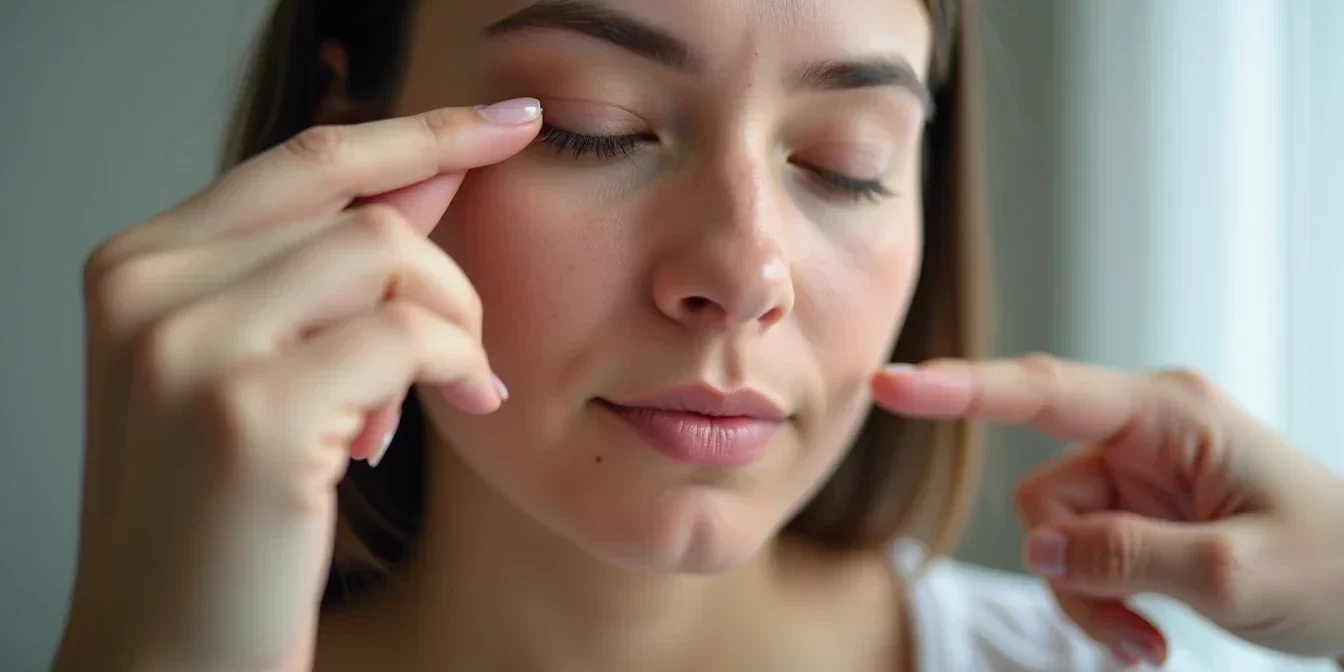
A twitching eyelid is one of those annoyances people blame on too much coffee and move on. Coffee can play a role, but so can magnesium. This mineral helps nerves settle and muscles relax, so when levels run low, the nervous system can feel as if it has lost its brakes.
Stress makes that worse. When your days are full and your sleep is thin, the body uses more magnesium and can push more of it out through urine. Add screen strain, wine, or a few too many strong coffees, and the twitch may become a regular visitor.
What to look at first
Check the obvious before you reach for supplements.
- Sleep has been poor for several nights
- Caffeine has crept up
- Your eyes feel dry or overworked
- You have muscle cramps or restless legs as well
If the twitch keeps showing up with that cluster, magnesium becomes a more serious suspect.
How to support it naturally
Food first keeps the routine simple. Spinach, almonds, avocado, black beans, pumpkin seeds, and dark chocolate with 70% cocoa or more all help. If you prefer a supplement, magnesium glycinate is often chosen for its gentle feel, while magnesium citrate and magnesium malate are also common. On the label, look for the elemental magnesium amount, not just the compound name.
White spots on nails are not random decoration
A nail with a few white spots is usually not a crisis. It can happen after a small knock to the nail matrix, from a product reaction, or simply from the way the nail grew out that month. When the spots keep appearing on several nails, zinc deserves a look.
Zinc is tied to cell division, protein building, wound repair, and immune function. If the body is stretched thin, it will use limited zinc for the jobs that matter most in the moment, and nail growth can become a lower priority. The result is imperfect keratin formation, which shows up as those pale marks.
When zinc moves up the list
White spots matter more when they arrive with other signs, such as:
- Slow healing cuts
- More frequent colds or infections
- Hair shedding
- A general sense that skin repairs slowly
That combination is more useful than the nail spot alone.
Food and supplement choices
Zinc is easy to source from food if your diet is generous enough. Red meat, chicken, oysters, chickpeas, cashews, lentils, and pumpkin seeds all contribute. In supplement form, zinc picolinate, zinc gluconate, and zinc citrate are all common. Keep the dose sensible, because too much zinc can interfere with copper.
Cracks at the corners of the mouth tell a different story
Cracking where the lips meet the skin, often called angular cheilitis, can be sore, stubborn, and strangely easy to dismiss. It may come from lip licking, toothpaste sensitivity, dehydration, or a fungal or bacterial issue. It can also flag gaps in B vitamins, and sometimes iron.
Riboflavin, niacin, pyridoxine, folate, and cobalamin all support healthy skin and cell turnover. Iron keeps oxygen moving to tissues that need repair. When either group is low, the mouth corners are one of the first places to complain, because that skin is wet, stretched, and constantly moving.
The clues that make deficiency more likely
The case gets stronger if the cracks are:
- On both sides
- Recurring
- Slow to heal
- Joined by fatigue, a sore tongue, or pale skin
That is the point where a quick lip balm fix stops being enough.
The best food sources
Eggs, dairy, leafy greens, legumes, whole grains, meat, fish, and liver all bring B vitamins to the table. For iron, red meat, liver, lentils, spinach, and fortified cereals are the main food sources. Pair plant-based iron with vitamin C rich foods like oranges or peppers to help absorption. If a supplement is needed, ferrous bisglycinate is often easier on the stomach than some other forms.
Do not chase one symptom in isolation
An eyelid twitch can come from too much coffee. White spots can come from banging a finger on a drawer. Cracked mouth corners can come from licking your lips in dry weather. A single clue is weak evidence.
Three clues appearing together, or one clue that keeps coming back, is a different story. That is when the body starts looking less random and more like it is asking for better support. Magnesium helps calm overworked nerves. Zinc supports repair and immunity. B vitamins keep skin and mucous membranes turning over properly. Iron helps those tissues get oxygen in the first place.
What to buy and what to check
The supplement shelf is full of labels that sound reassuring and mean very little. Read the front, then read the dose.
Look for:
- Clear elemental magnesium or zinc amounts
- The exact B vitamin forms listed, not just a vague blend
- Brands that are transparent about sourcing and testing
- A formula that matches the problem you are trying to solve
A magnesium glycinate capsule at night can fit a sleep-support routine. A B-complex may suit someone whose diet is patchy or whose energy has been flat for too long. Zinc works best when there is a reason for it, not as a daily reflex.
Your body is always giving you data. A twitch, a spot, a crack, they are small signals, but they are not meaningless. Pay attention to the pattern, feed the gaps with real food where you can, and choose supplements with a clear purpose rather than a hopeful guess.