
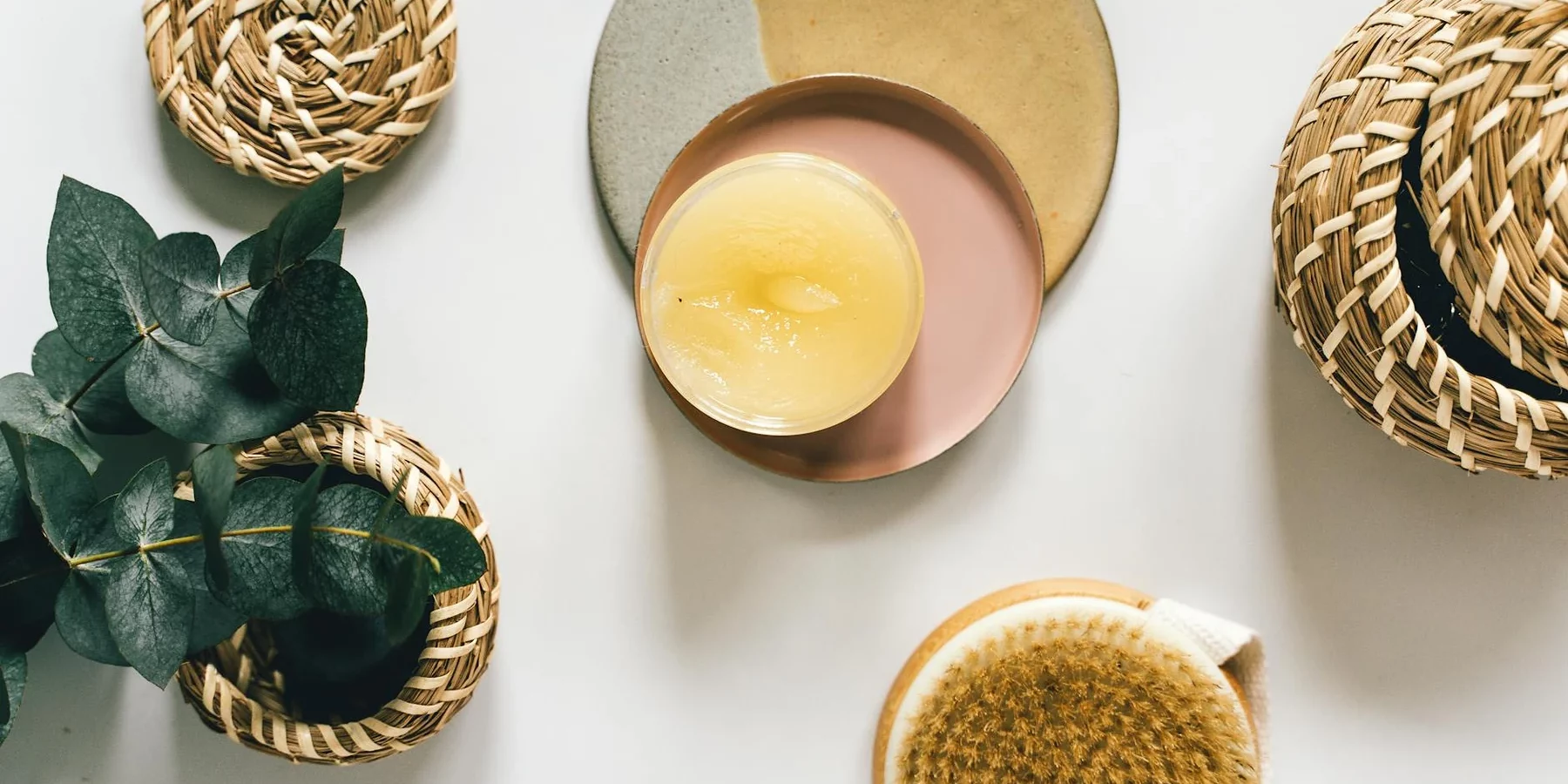
Amaranth has the kind of backstory beauty shelves usually borrow and flatten. It fed empires, survived suppression, kept growing in heat and poor soil, and now its seed oil is turning up in serums and sunscreens because skin likes what the plant has been storing all along: a dense, lightweight oil built around squalene.
That matters if your skin runs dry, feels tight after cleansing, or starts looking a bit less supple than it used to. Amaranth oil does not behave like a heavy, glossy face oil that sits there making promises. It absorbs quickly, helps reduce moisture loss, and brings a more cushioned feel to the skin, which is exactly why it fits neatly into anti-aging routines without feeling fussy.
Where amaranth came from
Amaranth is an ancient plant with edible, protein-rich seeds and vivid tassel-like flower heads. Its name comes from the Greek word for “unfading”, and that language has stuck to it for centuries. The dried flowers keep their colour remarkably well, which is part of why the plant ended up tied to ideas of endurance, remembrance, and lasting affection.
It also carries a more complicated history. Amaranth was once a staple crop in the Aztec and Inca worlds, used in ways that made Spanish authorities nervous enough to ban it. Fields were destroyed, growers were punished, and a chunk of agricultural knowledge was pushed out of public use. In South Africa, the plant picked up another label altogether, the tired “poor man’s food” tag, because rural communities often gathered it as morogo from the wild rather than buying imported greens.
That old stigma has not aged well. Amaranth is now being reconsidered as a resilient crop with real commercial value, especially in grain, leafy vegetable, and oil markets.
Why the oil gets attention
Amaranth seed oil is the beauty-facing part of the plant’s comeback. Its standout feature is squalene, a skin-friendly lipid that naturally occurs in human sebum but declines with age. As that level drops, skin tends to lose water more easily, feel rougher, and show fine lines more clearly.
Amaranth oil typically contains about 5 to 8 percent squalene, which puts it among the richest botanical sources of the ingredient. That is a meaningful number. It helps explain why the oil feels so light yet still manages to leave skin looking fuller and less parched. Squalene also has antioxidant activity, so the oil does more than simply coat the surface. It helps defend the skin against the oxidative stress that makes tired, weathered skin look older.
The texture is part of the appeal. This is not a greasy oil for people who like their face to feel sealed in amber. It is more of a soft, fast-absorbing oil that plays well in serums, moisturisers, and even sunscreen formulas.
How it fits into a routine
Amaranth oil works best when the rest of your routine is not fighting it. Clean skin, a slightly damp face, and a few drops are usually enough.
As a facial serum
Use 2 to 4 drops after cleansing and toning, then follow with moisturiser if you need more cushioning. Morning or night both work. If your skin is sensitive or mature, this is a very sensible place to start because the oil is gentle in feel and easy to layer.
As a moisturiser booster
If you already have a cream you like, mix 1 to 2 drops into it. That gives a richer finish without forcing you to replace your whole routine. It is a neat way to test whether your skin wants more lipids without going all in on a new product.
As an overnight treatment
A slightly heavier layer before bed can help dry skin wake up looking less tired. Use it as the last step in your evening routine, especially on nights when your skin feels stripped from actives, wind, or dry indoor air.
On dry patches
Cuticles, elbows, and rough spots do well with a small amount. The oil is practical in the unglamorous places too, which is usually where a good product proves itself.
How it compares with other botanical oils
South African buyers already know marula, baobab, and jojoba, and they all deserve their place. Marula brings oleic acid and a soft nourishing feel. Baobab is valued for its fatty acids and vitamin profile. Jojoba is famous for mimicking sebum, though it is technically a wax ester rather than a true oil.
Amaranth is different because of its squalene load. If you want a botanical that is especially close to a skin-identical lipid, this is the one to watch. It is less about general nourishment and more about targeted hydration and barrier support. That is why it keeps showing up in formulas marketed for mature, dry, or moisture-starved skin.
Why the crop itself matters
There is also a farming story behind the bottle. Amaranth is tough in ways many fashionable crops are not. It tolerates heat, handles drought, and can still produce on roughly 500 mm of rain a year. It prefers loose, well-draining soil with a pH between 5.5 and 7.5, and it germinates best when soil temperatures sit between 18°C and 25°C. Once the weather climbs into the 30°C to 35°C range, it keeps going. Drop below 18°C, and growth stalls.
That resilience is a big reason the plant is gaining ground again. India is the largest producer, China grows substantial leafy varieties, and countries across the Americas, including Mexico, Peru, and Ecuador, continue to cultivate it. In South Africa, it is grown and researched across Limpopo, North West, Mpumalanga, KwaZulu-Natal, and Gauteng, with amaranth naturally present in all nine provinces. Leaf production can reach up to 40 tonnes per hectare under managed conditions, while grain yields of around 1 tonne per hectare are considered strong.
The crop still has frustrations. The seeds are tiny, unevenly ripening flower heads make harvesting awkward, and wet stalks clog machinery. Processing is slower than with wheat, and the oil-rich grain can go rancid faster than standard flour. Those limits explain why amaranth never displaced wheat or corn, even though it has been feeding people for generations.
What to look for on the label
A good amaranth oil product should tell you something useful, not just decorate the bottle with botanical language.
Spec-style check
- Ingredient list: look for amaranth seed oil high on the list if you want a meaningful amount.
- Extraction: cold-pressed usually signals better oil quality and less heat damage.
- Formula type: pure oil suits simple routines, while serums and creams suit people who want easier layering.
- Skin feel: lightweight and fast-absorbing is the point, not a slick finish.
- Best fit: dry, mature, sensitive, or dehydration-prone skin.
Amaranth oil earns its place because it is both old and useful. That combination is rare. Plenty of ingredients have a story. Fewer have the chemistry to justify the story on your skin.