
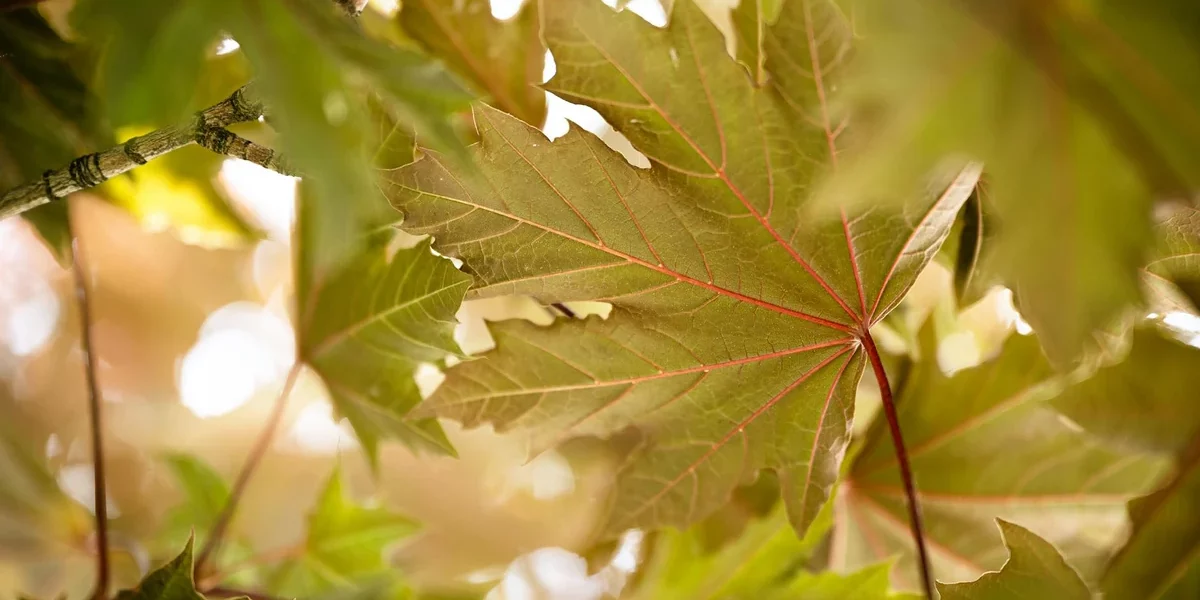
Maples can look glamorous in a South African garden, but they reward the gardener who treats them as climate-sensitive trees rather than general-purpose ornamentals. The trick is not simply choosing a pretty Acer. It is matching the variety to your region, giving it sharp drainage, and protecting the foliage from heat, wind and water stress before problems begin.
If you have ever admired the fine leaves of a Japanese maple or the strong, upright habit of a trident maple, you already know why these trees are so tempting. The good news is that several maples can do well here. The less glamorous truth is that success depends on site selection, seasonal timing and a few practical habits that matter more in South Africa than they do in cooler, wetter countries.
Best maple choices for South African gardens
For most small to medium gardens, Japanese maple (Acer palmatum) is the classic choice. It suits cooler parts of the Highveld and sheltered gardens in the Western Cape, especially where it can get morning light and afternoon shade. It has beautiful foliage, but it is not forgiving of harsh western sun, dry wind or badly drained soil.
If you want something tougher, trident maple (Acer buergerianum) is the most adaptable option. It handles heat, has better tolerance for dry spells once established, and copes with a wider range of soil conditions, including some coastal situations when it is shielded from wind. Its autumn colour is usually less dramatic than Japanese maple, but it is often the better bet for South African conditions.
For larger properties, silver maple (Acer saccharinum) and red maple (Acer rubrum) can also work. Silver maple grows quickly and likes room, but it can become brittle and needs space away from structures and strong wind. Red maple offers good autumn colour and does well where soil stays evenly moist, which makes it a possibility for parts of KwaZulu-Natal and the Eastern Cape, provided the site is not excessively hot or humid.
Matching the tree to your region
In the Highveld, winter frost is usually not the problem. Summer heat, dry air and hard afternoon sun are the real challenges. Japanese maples can thrive there if they are tucked into a sheltered position and protected from the worst heat. Trident maple is even safer in exposed inland gardens.
In the Cape, especially cooler or mistier areas, Japanese maple often performs beautifully. Wind remains an issue, so choose a calm corner rather than a fully open site.
In KZN, humidity and warmth can make life harder for maples. Red maple is more forgiving in moister areas away from the coast, while trident maple is usually the steadier performer. Coastal gardens add salt and wind pressure, so any maple there needs shelter and attentive watering.
Across all regions, aim for soil with a slightly acidic to neutral reaction. Most maples prefer a pH between 5.5 and 7.0, though trident maple is more relaxed and can cope with slightly more alkaline conditions.
Planting it properly the first time
Maples resent sloppy planting. Start with a site that drains well and receives only gentle sun during the hottest part of the day. Dig a hole two to three times wider than the root ball, but do not make it deeper than the root ball itself. The point where the trunk widens at the base, known as the root flare, should sit at or just above the soil surface.
Backfill with your existing soil mixed with 30 to 50 percent compost. Good compost improves structure and helps the roots spread, but avoid fresh manure. If your garden has heavy clay, add coarse grit or create a raised mound rather than letting water pool around the roots. Planting too deeply is one of the fastest ways to weaken a maple.
Water thoroughly right after planting. If the tree is in a windy area or very young, staking can help, but keep ties soft and loose, and remove the stake within 6 to 12 months.
Water, mulch and shade in dry summers
South African summers can be rough on maples, especially inland. The goal is not constant splashing; it is deep, steady moisture. Water slowly and thoroughly so the soil is wet to a depth of roughly 30 to 45 cm, then allow the surface to begin drying before the next irrigation. In hot spells, that usually means two to three deep waterings a week.
Mulch is not optional. Spread a 5 to 10 cm layer of bark chips, shredded leaves or other organic mulch around the root zone, but keep it a few centimetres away from the trunk. This helps keep roots cooler, slows evaporation and improves the soil over time.
For the Highveld and other hot inland areas, afternoon shade is essential, especially for Japanese maple. Morning sun with protection from midday onward is the safest formula. If a permanent shaded position is impossible, temporary shade cloth during peak summer can make the difference between a healthy tree and scorched foliage.
Pests, scorch and pruning
The main pest to watch for is scale. These tiny bumps on stems and leaves suck sap and often leave sticky residue behind. That sticky layer can lead to sooty mould, the black film that appears on surfaces after sap-sucking insects have been active. The mould is mostly a symptom, not the main problem, so treat the scale early with horticultural oil or another suitable control.
Keep an eye out for leaf scorch, which shows up as browned, crispy leaf edges. It is usually a stress response caused by sun, wind or inconsistent watering rather than a true disease. Better siting and steadier moisture usually solve it.
Because South Africa’s seasons run opposite to the northern references many gardeners see online, major pruning is best done in late winter, usually July to August. That is when deciduous maples are dormant and less likely to bleed sap. Light cleanup can happen at other times, but save structural pruning for winter and use clean, sharp tools.
Where to buy
Your best starting point is a specialist nursery or a reputable garden centre with knowledgeable staff. Look for a tree with healthy leaves, a sturdy trunk and roots that are not tightly circling the pot. If the roots are already strangling themselves in the container, establishment in the ground will be harder.
FAQ
Can maple trees grow in coastal South Africa?
Yes, but choose carefully. Trident maple is usually the safer option because it handles more conditions. Shelter from wind is important, and watering must be consistent.
Which maple is easiest for beginners?
Trident maple is generally the most forgiving. It tolerates more heat and a broader range of soils than Japanese maple.
When should I prune my maple?
Do major pruning in late winter, around July and August. That timing reduces sap bleeding and suits the tree’s dormant phase.
Why are my maple leaves crisping at the edges?
That is often leaf scorch. Check for too much sun, wind exposure or irregular watering, and add mulch if the root zone dries too fast.